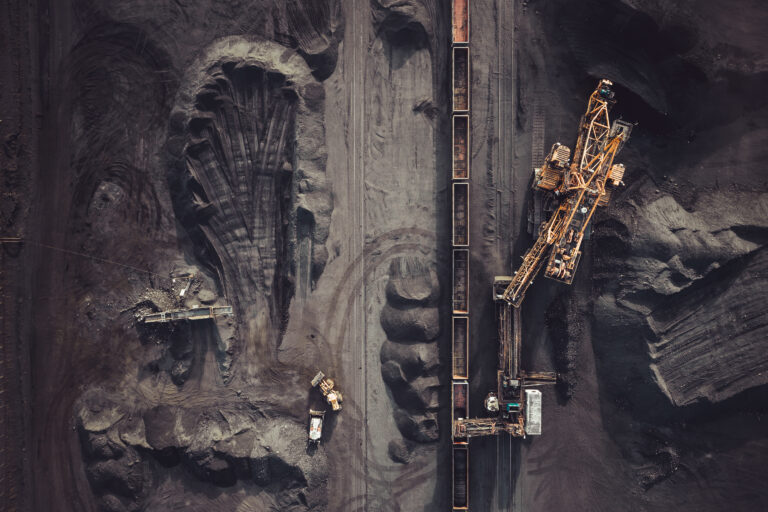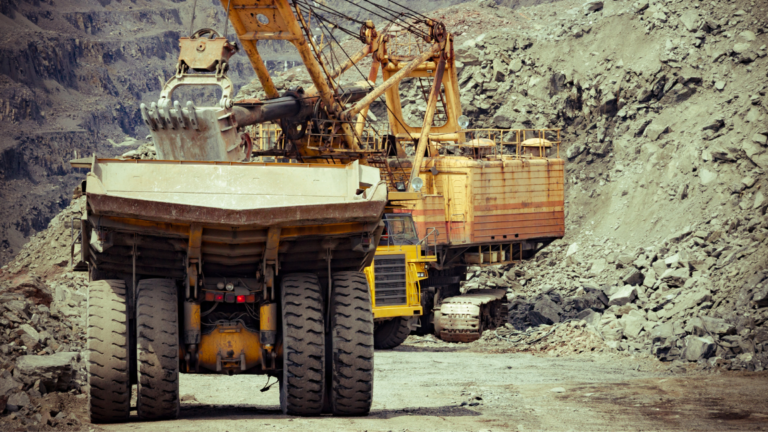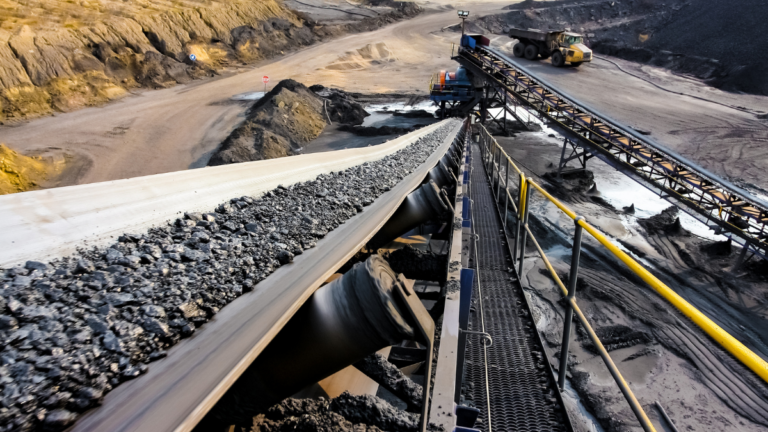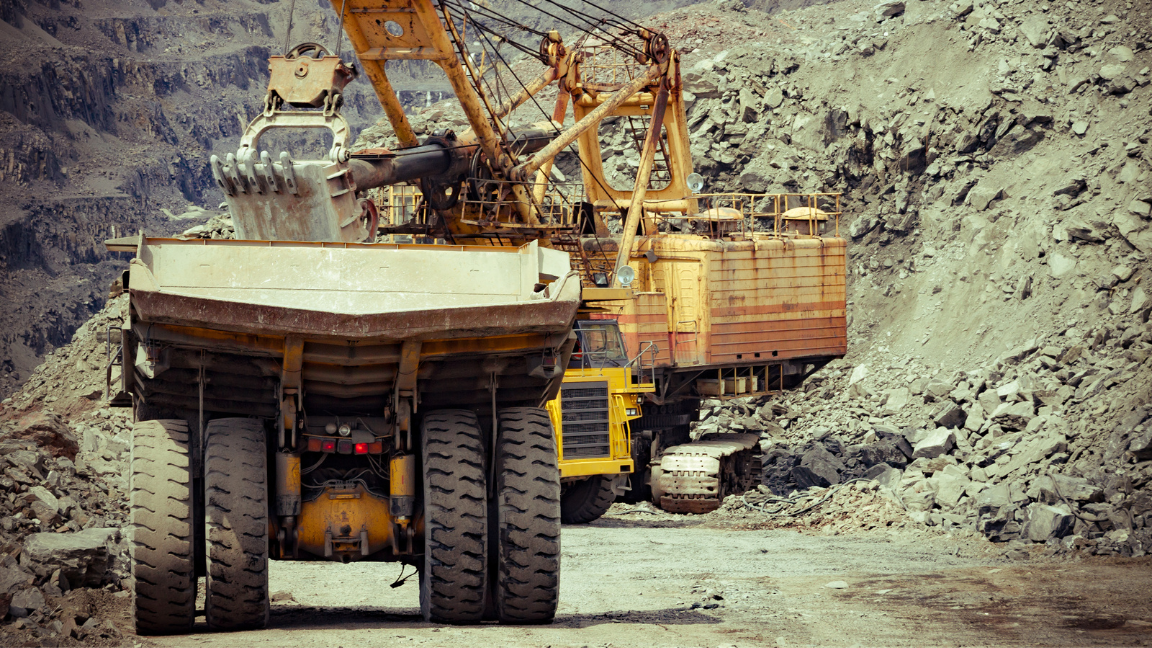
A large metallurgical coal operation relies on a network of fixed processing and materials handling assets to deliver coal into tightly scheduled rail and port commitments. These assets, including coal handling and preparation plants, overland conveyors and train load‑out systems, form a critical production chain where reliability directly drives revenue.
Historically, excess capacity and operational flexibility allowed the business to absorb disruptions. However, as production increased, buffers reduced and the cost of asset failure grew: several critical assets were non‑redundant, meaning a single failure had the potential to halt all production.
The operator engaged eXcellerate to evaluate their asset protection strategy and business continuity risk, with the objective of identifying where asset failure could directly impact production, revenue and customer commitments.
Business Interruption Risk from Critical Processing Assets
Through its independent review, eXcellerate identified that business interruption risk was driven by the consequence of failure on non‑redundant infrastructure and the organisation’s limited visibility of critical risks, rather than by the scale of the asset base itself.
Key challenges included:
- Non‑redundant CHPP, conveyor and train load‑out assets where failure would immediately stop production
- Documented failure events across critical systems, resulting in 4 to 10 days of downtime per event
- Inconsistent protection device coverage and testing across critical equipment
- Maintenance backlog of 14 to 17 weeks, limiting proactive defect resolution
- Fragmented visibility of protection systems and asset condition across multiple systems
- Critical defects and hazards not consistently captured within formal systems
- Increasing production stress, as higher throughput reduced the buffering effect previously provided by excess capacity.
When assessed at production scale, eXcellerate identified that each major failure event carried material financial exposure.
Quantifying Asset Risk in Commercial Terms
eXcellerate applied a structured, risk‑based approach to link asset condition and protection directly to business impact. The team:
- Identified non‑redundant, high‑consequence assets across processing and materials handling systems
- Analysed historical failure events to quantify downtime and production impact
- Assessed protection systems, maintenance practices and defect visibility
- Reviewed backlog composition to identify under‑prioritised high‑risk work
- Translated failure scenarios into lost tonnes, downtime and revenue exposure
eXcellerate’s analysis showed that, at typical production rates, a single event of:
- 4 days downtime equated to more than 100,000 tonnes of lost saleable coal
- 10 days downtime equated to more than 300,000 tonnes of lost saleable coal
This translated into tens of millions of dollars in revenue exposure per event.
The asset risk translated into tens of millions of dollars in revenue per event. This level of exposure moved the risk from operational to financial priority.
As production increased toward planned levels, and CHPP infrastructure moved from a position of excess capacity to a potential constraint, the likelihood and consequence of future business interruption events increased significantly.
This approach shifted decision‑making from volume of maintenance work to value at risk, ensuring effort focused on assets with the highest business consequence.
Key Actions to Strengthen Asset Protection and Reliability
Working with site leadership, eXcellerate developed a prioritised roadmap of targeted actions to reduce both the likelihood and impact of asset failure. Key actions included:
- Prioritising non‑redundant, high‑impact assets across the operation
- Strengthening protection device strategies, including functional testing and reinstatement
- Improving visibility of asset protection performance and critical risks
- Re‑prioritising maintenance effort toward high‑consequence defects
- Consolidating backlog, forward work and risk items into a single risk‑based view
- Aligning maintenance execution with production requirements for critical assets
These recommendations were designed to improve risk visibility and align maintenance effort with business continuity outcomes.
Outcome: Reduced Risk and Protected Production Continuity
eXcellerate provided a clear, quantified understanding of business interruption exposure and a structured pathway to reduce risk. Key outcomes included:
- Improved visibility of high‑impact failure risks previously outside formal systems
- A prioritised roadmap to sustain asset resilience under higher operating conditions.
- A clear pathway to reduce the likelihood and duration of critical asset failures through improved protection and maintenance prioritisation.
- Increased confidence in production continuity as operational buffers reduced
As production increased and system flexibility reduced, this roadmap positions critical infrastructure to support throughput without introducing additional disruption risk, protecting against tens of millions of dollars in revenue exposure per event.
By shifting from a reactive maintenance model to a proactive, risk‑based asset protection the operation is positioned to strengthen its ability to deliver production targets while protecting revenue, customer commitments and operational stability.
Align Your Asset Strategy with Production Growth
As throughput increases, asset performance becomes a critical driver of financial outcomes. eXcellerate helps organisations reduce exposure to high‑impact failures and ensure their infrastructure can support production without increasing risk.
Contact us to assess your asset protection strategy and strengthen business continuity.